
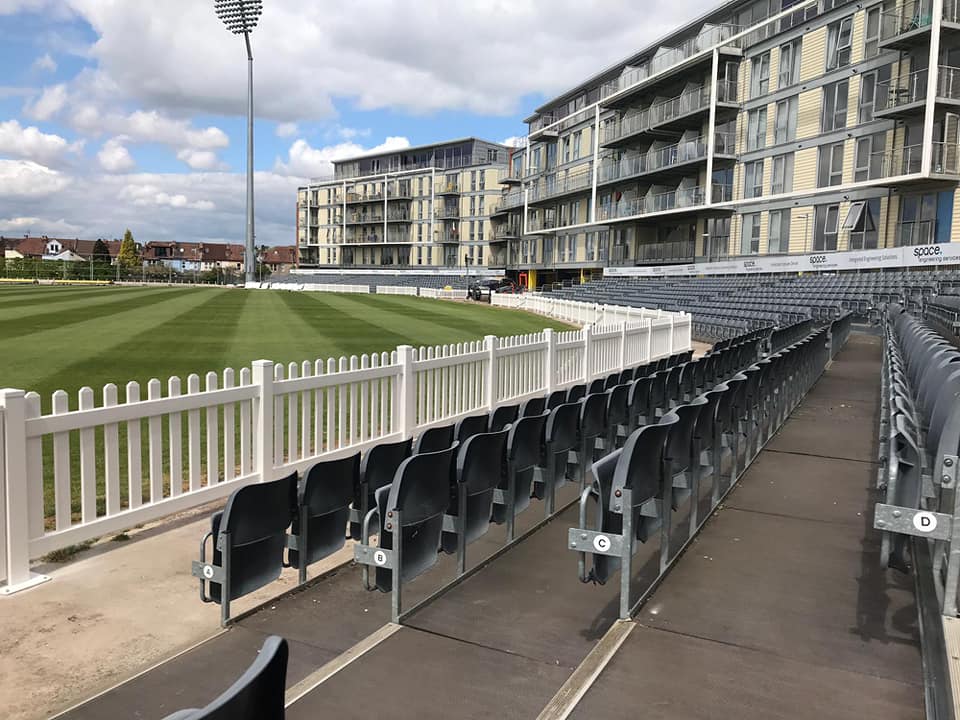
Sports, equestrian, and domestic fencing
Choosing the right fencing isn’t always straightforward. With so many options available, it’s important to understand what will work best for your specific needs, whether that’s for a sports ground, equestrian facility, or domestic setting.
In this guide, we’ll walk you through the key considerations and help you find the most suitable fencing solution.
What will your fencing be used for?
Sounds silly, but it’s a good place to start. The first step is understanding the main purpose of your fencing. This will help narrow down the best type of material and structure.
Sports and event fencing
If you’re managing a sports ground, school, or event space, your fencing needs to be:
- Highly visible
- Durable
- Easy to maintain
Options like picket fencing are ideal for:
Equestrian and agricultural fencing
For horse paddocks and equestrian facilities, safety is the top priority.
Stud rail (horse rail) fencing is a popular choice because of its benefits:
- It’s flexible and reduces injury risk
- Strong and long-lasting
- Requires minimal maintenance
Domestic and property boundaries
For homes, gardens, or entrances, and even for village name gates, fencing should balance:
- Appearance
- Security
- Longevity
Post and rail fencing and picket fencing are great options for:
- Garden boundaries
- Driveways
- Residential properties
Temporary vs Permanent Fencing
Another key decision is whether you need a temporary or permanent solution.
Temporary fencing is popular and best for:
- Events
- Seasonal use
- Flexible layouts
Permanent fencing is best for:
- Long-term boundaries
- Sports facilities
- Residential properties
Many organisations benefit from having a mix of both, depending on how their space is used. Explore some case studies of various uses and products.
Why choose plastic fencing (PVC)?
Compared to traditional timber fencing, plastic (PVC) fencing offers several advantages:
- Low maintenance – no painting or repairs required
- Weather resistant – won’t rot, warp or degrade
- Long lifespan – a cost-effective long-term solution
- Clean and professional finish
This makes it particularly popular for sports clubs, equestrian centres, and commercial spaces where durability matters.
How to choose the right option for you
If you’re still unsure, ask yourself:
- What will the fencing be used for?
- Do I need a temporary or permanent solution?
- Is safety a key concern (e.g. horses or public spaces)?
- How important is appearance vs function?
Answering these questions will help guide you towards the most suitable option.
Speak to our team
Choosing the right fencing can make a big difference to both safety and long-term costs. If you need advice, the team at Watt Plastics can help recommend the best solution for your needs.
FAQs
1. What is the best fencing for sports grounds?
Picket fencing is commonly used for sports grounds due to its visibility, durability, and low maintenance.
2. What fencing is safest for horses?
Stud rail (horse rail) fencing is designed to be flexible and reduce the risk of injury.
3. Is plastic fencing better than wood?
Plastic fencing requires far less maintenance and lasts significantly longer than traditional timber.
4. Can fencing be both temporary and permanent?
Yes, many systems offer both portable and fixed options depending on your needs.